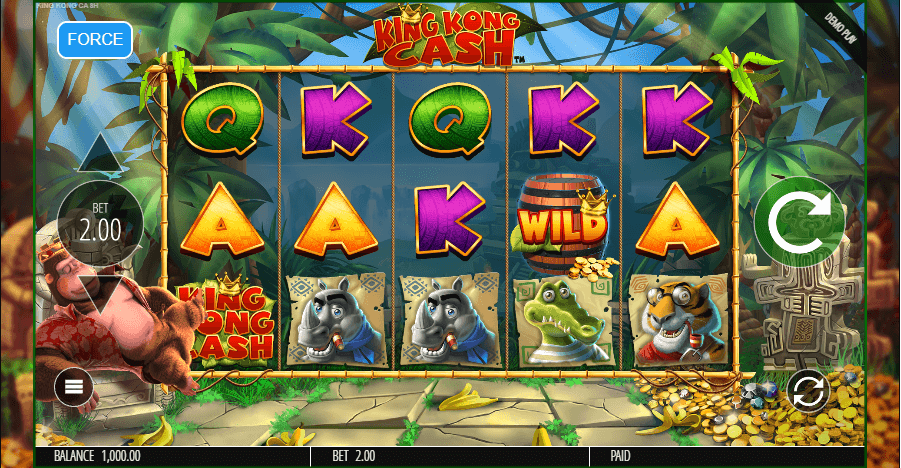
Screen-based fun keeps finding its way into public spaces. A curious example has popped up in some UK medical facilities: the King Kong Cash online slot appearing on waiting room screens. This isn’t just about a game. It blends patient distraction with modern digital habits and some significant ethical questions. Let’s break down this situation. We’ll explore its practical role, the game’s features that might work in a waiting room, and the wider debate about suitable content in healthcare. Our objective is a clear look at how a slot game came to have this peculiar job.
Grasping the Waiting Room Setting
Clinic and medical center waiting areas are locations of anxiety, tedium, and delay. Time extends, often making tension and discomfort worsen. You typically encounter old magazines, quiet TVs showing news, and maybe a toy corner for kids. The main purpose of any entertainment here is diversion. It should be a benign, captivating activity that draws a patient’s mind away from their concerns, even for a moment. Success isn’t about deep content. It’s about delivering a gentle, engrossing break. This background is key for judging anything that is displayed on these screens, King Kong Cash included.
The Need for Unbiased Distraction
The perfect waiting room distraction appeals to everyone. It requires no guidance or prior knowledge. It should be visually interesting enough to attract attention, but not so intricate it causes frustration. The material must also steer clear of controversy, avoiding overly exciting or disturbing topics. This leaves facility managers with a challenging job. They must identify content that captivates but stays passive, interesting yet calm. Somewhere in this restricted space of suitability, looped game footage seems to have been considered. That’s how titles like King Kong Cash likely ended up on the monitors.
Limitations of Conventional Media
Magazines become outdated. Linear TV offers the viewer no option or control. A looping, colorful game sequence offers something different: a constant, reliable, and visually stimulating show. It functions without sound, which is crucial in a quiet room. The repetitive cycle of slot gameplay, with its spins and bonus feature triggers, builds a independent little story. Anyone can start watching at any point. This supposed utility might account for why such content gets chosen over more conventional, passive media.
The Event: How and Why It Appears
The practical method is most likely simple. A staff member or a hired media agency may run the program on a machine hooked to the reception area display, using an internet browser or a trial version. The rationale is more intricate. The choice stems from a well-intentioned yet erroneous pursuit for costless, perpetually cycling, visually stimulating media. The person responsible may view it as harmless cartoon animation with a well-known persona, failing to grasp the core betting mechanisms. It reveals a shortfall in online competence and established media rules within public institutions.
The King Kong Cash Slot: A Brief Overview
To begin, what does King Kong Cash entail? It’s an acclaimed online video slot based on the iconic giant ape. Its design is cartoon-like and vibrant. It portrays King Kong on a skyscraper, with symbols including planes, gorillas, and golden chests. The gameplay mechanics adhere to a contemporary slot structure: spin reels to match symbols, with special features activated by certain combinations. Its vibe skews adventurous rather than intense. It embraces exploring the jungle and playful treasure seeking, avoiding dark or heavy themes. This relatively friendly presentation could be a major reason for its use in communal settings.
Main Visual and Sound Components
The visuals are top-notch and cartoonish, avoiding realistic graphics that might unsettle people. Greens, golds, and blues define the color scheme, which may appear visually relaxing. The real game includes upbeat music and audio effects, but in a waiting room the audio would be off. This creates merely the muted visual spectacle: turning reels, cascading wins, and animated bonus rounds. In silence, the game shifts. It turns into a sequence of abstract, vibrant animations for a passive observer, changing its fundamental nature.
Core Gameplay and Nudge Mechanics
A core mechanic of King Kong Cash is the “Nudge” function. Kong himself can move reels to build winning lines. This introduces character-driven action and a feeling of expectation, even for a passive viewer. The chest bonus feature, where players pick treasure chests, offers an element of straightforward, decision-based interaction. For an observer, these elements break the monotony of typical spins. They generate small events inside the cycle that can be oddly captivating to watch. It’s similar to viewing someone play a lighthearted video game.
The Bigger Picture: Digital Content Policies
This particular case reveals a broader, systemic problem. Many public institutions do not have formal digital content policies. What appears on screens in waiting rooms and lobbies is commonly decided ad-hoc by staff who aren’t specialists. Establishing a clear policy framework is critical. Such a policy should mandate that all public-facing content undergoes review for appropriateness. Factors should cover associated industries, potential triggers, universal accessibility, and compatibility with the institution’s health-focused mission. This makes content curation a deliberate part of patient care, not an afterthought.
Components of a Responsible Media Policy
A responsible policy would ban content linked to industries like gambling, alcohol, or tobacco. It would opt for material that is calming, educational, or aesthetically neutral. The policy should also set up a review process. This could involve communications staff, patient advocates, or ethics committee input for public areas. Regular audits of screen content are essential. Training for facilities staff matters just as much. They need to grasp why these choices are important, moving beyond a list of rules to a shared goal of fostering a supportive environment.
Patient and Visitor Reception
People typically react with shock and unease to seeing a slot game in a hospital waiting room. Some might wave it away as a minor oversight. Many find it jarring and out of place. For people or families touched by gambling-related harm, the experience can be actively upsetting. It can feel like a betrayal of the care environment. This reaction shows a clear mismatch between the content curators and the varied values and experiences of the public they serve. It underscores healthcare facilities need clear, sensitive, and ethically checked media policies.
Alternative Entertainment Solutions
Numerous solutions offer distraction lacking the ethical baggage. Numerous hospitals now use digital signage systems that stream relaxing nature scenes, aquariums, or slow artistic animations. Interactive touch-screen tables can present educational health info, simple puzzles, or digital art programs. Curated, ad-free TV channels with documentaries about nature, science, or history work well too. The goal is to pick content that is really calming, works for everyone, and has no link to industries known to cause public health harm.
Budget-Friendly, High-Impact Options
Improved solutions require no a big budget. Streaming services have extensive libraries of suitable nature and travel content. Digital photo frames can cycle through local landscapes or tranquil art. Simple fish tanks, kingkongcashslot, real or high-definition virtual ones, offer proven therapeutic benefits. Even providing strong free Wi-Fi helps. It lets patients use their own devices for entertainment, putting choice and control back in their hands. They can pick distractions that suit their personal needs without the institution making the choice for them.
Significant Ethical and Social Concerns
Using a gambling-themed game in a healthcare setting presents deep ethical dilemmas. Hospitals are facilities of care and trust. The content they display, even passively, implies a sense of approval. Gambling is a serious public health problem, linked to addiction, financial loss, and mental health issues. Displaying a slot game, even silently, normalizes gambling imagery and mechanics for a captive audience. That audience may include vulnerable persons, those under financial pressure from medical bills, or individuals with existing addiction concerns. It muddies the line between harmless fun and promoting a potentially harmful activity.
Vulnerability of the Audience
Patients in a hospital waiting room are inherently vulnerable. They or a loved one are ill, which often induces anxiety, fear, and high stress. Research indicates decision-making can suffer under these situations. Susceptibility to subliminal messaging or normalization can rise. Subjecting people in this state to the reward cycles of a gambling game, however theoretical, is ethically dubious. It exploits a need for distraction without enough regard for the long-term links or triggers it might set off. This is especially true for those recovering from gambling disorders.
Likely Benefits as Viewed by Facilities
A hectic hospital administrator could see clear benefits. The content is free in its demo form. It offers constant motion and color without needing sound. It presents a globally recognized character that could provide a sliver of nostalgic comfort. The game’s structure has predictable peaks of excitement during bonus rounds, which could work as temporary distractions. Some could argue the basic, goal-oriented action of matching symbols gives a stressed mind a light cognitive task to follow passively. It could be a more engaging focus point than a rolling news ticker.
A Distraction Factor Studied
Active visuals grab attention better than static ones. The glowing lights, rotating reels, and win animations are engineered by experts to be captivating. Even in a noiseless waiting room format, these sensory hooks yet work. For a several minutes, a patient might track the reels, wait for Kong’s nudge, or watch the chest bonus unfold. This full, temporary absorption is the central benefit any waiting room media seeks. In that narrow sense, the content “operates.”
Moving Forward: Recommendations for Health Areas
A few measures are advisable. Healthcare centers should immediately review what’s on all their public screens and eliminate any items with gambling themes or other harmful connections. Next, they should develop and implement a formal digital signage protocol like the one outlined. Obtaining feedback from patient panels on potential content is a smart move. Investment should be allocated toward proven, therapeutic options like nature content or interactive educational screens. The goal is to shape waiting zones that do more than entertain. They should proactively add to patient well-being and ease, making every element align with the institution’s core mission of care.