
Stepping onto a stage with a microphone often activates a primal fight-or-flight response. For UK performers, these stage jitters can stop a set dead. We are examining an alternative training method: the Chicken Shoot Game. It appears as a simple arcade experience, but its mechanics establish a special, low-risk space to practice the core mental skills for open mic success. This article breaks down how artists can integrate this game into their routine to develop concentration, control nervousness, and perform better under stress. We’ll walk through a nine-step framework to apply the tool effectively, going from theory to practice for stand-ups, singers, and writers.
The Study of Stage Fright & Arousal
Performance anxiety stems from our body’s natural response to a imagined threat. Adrenaline floods the system. The outcome is shaky hands, a racing heart, and a scattered mind. That’s the precise opposite of what you need to deliver a punchline or nail a high note. Managing nerves isn’t about erasing this feeling, but redirecting the energy. The task is to train your mind to keep focused on the job in spite of the physiological chaos. Old methods like imagining the audience naked hardly ever work. Practical, consistent conditioning of your focus builds more authentic confidence. A essential part of this is reinterpreting your body’s signals. That thumping heart isn’t panic. It’s preparative energy, a idea you can grasp through controlled exposure.
Bridging the Online to the Space
The assurance you develop in the game must be deliberately carried to the real world. After a gaming session, transition right away to a performance-specific task. Run through your set. The concentrated, adaptable state the game cultivates can translate. You learn to link the physiological feelings of concentration and mild pressure with achievement and mastery. Your heightened heart rate and intensified awareness become well-known tools for peak performance, not signals to flee. You physically rehearse transferring the game’s serenity, precise concentration into your vocal delivery or your actions on stage. This reframing is potent.
Building a Psychological Warm-up Ritual
Routine comes from habit. Athletes prepare their bodies. Performers should warm up their minds. A short, focused ten-minute session with Chicken Shoot Game can work as an ideal cognitive warm-up. This ritual signals to your brain that it’s time to enter a state of flow and high concentration. The goal isn’t a high score. It’s about stimulating the specific mental muscles your act needs. By consistently pairing this activity with your preparation, you create a reliable psychological anchor. This anchor can settle nerves and induce a performance-ready mindset anywhere, be it a backroom in a London pub or a community hall in Edinburgh. The ritual itself becomes a trigger for confidence.
Incorporation into a Complete Practice Regime
Chicken Shoot Game is a instrument, not a total solution. It fits into a broader preparation strategy. That strategy includes content mastery, vocal warm-ups, and physical rehearsal. Consider it as sharpening your mental axe. We recommend using it after you practice your material but before a full dress rehearsal or the actual event. This positions the cognitive skill training in the proper context. First you know your act, then you train your mind to deliver it under pressure. The game’s value is in reinforcing the mental fortitude that supports your technical skill. A balanced regime for a UK open mic performer could involve material revision, physical warm-ups, ten minutes of targeted gaming, and then a full run-through.
Fine-tuning Internal Timing and Rhythm

Great performances live and die by timing. Comedy, music, and poetry all rely on a exact sense of rhythm. Chicken Shoot Game is essentially about rhythm. It’s in the emergence of targets, the speed of play, the rhythm of your actions. Playing necessitates you to internalize a beat and act within it, even as the elements shift. This is direct practice for preserving your personal rhythm when nerves attempt to speed you up. You learn to keep your internal metronome constant. That skill translates perfectly to pausing for a pause for laughter or following a musical tempo. The game discourages frantic, rushed actions. It rewards calm, timed responses. In doing so, it conditions a performer’s pace.
Gameplay Systems as a Stress Simulator
Titles such as Chicken Shoot Game establish a regulated tension space. The central gameplay demands quick aiming, timing, and point accumulation. It demands unbroken attention. As the levels advance, the challenge ramps up. This simulates the growing tension of a live performance. The immediate response, a direct outcome and the score shift, reflects the instant and often unforgiving response of a present spectators. This loop of action and consequence occurs in a safe zone. That is priceless. It lets you undergo and adapt to stress without any anxiety of audience rejection, developing emotional fortitude. The game’s increasing requirements force you to stay composed as scenarios get more complicated. It’s directly analogous to maintaining your performance when a glass smashes or a device chimes in the middle of a show.
Training Selective Attention and Focus
The basic action in Chicken Shoot Game is targeting. This actively trains selective attention. That’s the capacity to focus on one task while filtering everything else out. For a performer, the target might be the next line of a poem, a chord change, or the specific timing of a joke’s delivery. By performing the physical and mental act of tracking a moving target in the game, you enhance the neural pathways for focus. Over time, this trained focus becomes easier to access on stage. It helps quiet the internal noise of self-doubt and external distractions. You find to treat intrusive thoughts as background graphics. You observe them, but you choose not to let them pull your aim away from the current goal of performing.
Practicing Error Recovery and Forward Momentum
On stage, a wrong note or a joke that falls badly can escalate into more mistakes if you permit it. Chicken Shoot Game instills rapid error recovery. You fail to hit a target, and the game proceeds immediately. The only productive response is to instantly re-engage with the next target. This conditions a mindset of forward momentum, which is essential for live performance. You train acknowledging a flub without lingering on it. You teach your brain to always search for the next target. That’s the next line, the next verse, the next segment. This preserves the performance dynamic and moving. It builds mental agility, lessening the catastrophic thinking that can convert a single mistake into a ruined set.
Setting Realistic Expectations and Constraints
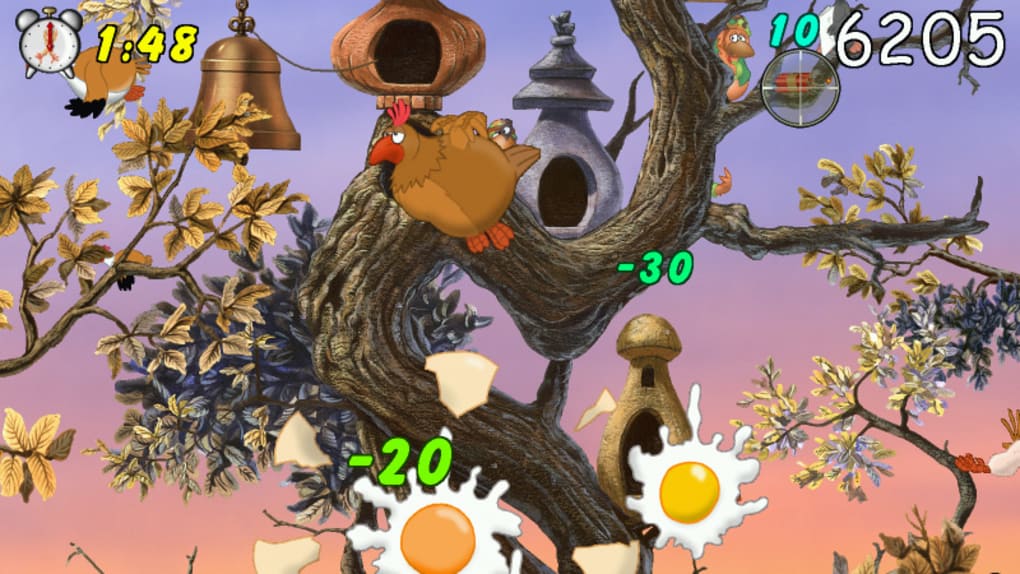
Hold your expectations realistic. A game cannot replicate the full complexity of human audience interaction. It does not copy the feel of a microphone or the particular physical demands of your instrument. Its main job serves to develop baseline focus, timing, and resilience. It does not resolve deep-seated anxiety disorders. For those, professional help is the right path. Consider the game as specific, supplementary training. The goal is incremental improvement in controlling your nerves, not a magical cure. Steady, mindful practice with this tool provides you the best results over time. Assess success in small ways. Look for a slightly steadier hand, a quicker recovery from a memory lapse, or a greater sense of control during your next five-minute slot.